

A frosty Little Woolden Moss - Credit: A.J.Critch Wildlife
Restoring our precious peatlands
What is a peatland?
Healthy peatlands are wet and boggy. Combined with low oxygen conditions, this moisture means plant material doesn't rot and is instead compressed into acidic peat soil. The soil has very few nutrients; specialist conditions that nurture a range of important plants that have perfectly adapted to survive in this unique environment.
Why are peatlands so important?
Thanks to the wet, acidic, low nutrient conditions, peatlands have the ability to store millions of tonnes of carbon dioxide that has been absorbed over thousands of years, helping in the fight against climate change. Not only that, but they reduce the risk of flooding by soaking up water during periods of high rainfall and help reduce the risk of wildfires during heatwaves. By contrast, a degraded peatland actively leaks carbon into the atmosphere and contributes heavily to our climate crisis.
Save our peatlands (https://www.youtube.com/watch?v=Dd0cg4zhFv0&t=3s)
Standby Productions have produced an amazing film highlighting why we need to save our peatlands

The wildlife of our peatland habitats
Our peatlands are home to an array of specialist wildlife that have perfectly adapted to the unique and hostile environment of a peatland. From large heath butterflies and bog bush crickets, to the incredible carnivorous sundew and spongey sphagnum mosses, peatlands have a tremendous array of fascinating wildlife to offer.
Unfortunately a lot of the plants and wildlife that live on peatlands are under threat due to habitat destruction. Because they are such specialists in their habitat, they have nowhere else to go. Once our peatlands are gone, the wildlife that live on them will go too.


Watch our podcast episode about peatlands
Uncover the vital role of bogs and mosslands in fighting climate change and protecting wildlife.
Nearly one in six UK species are threatened with extinction
State of Nature Report 2023
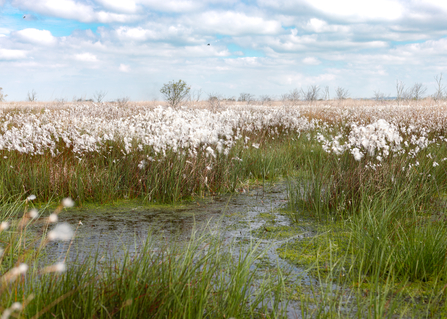
Fluffy cotton grass on a boggy Winmarleigh Moss - Credit: A.J.Critch Wildlife
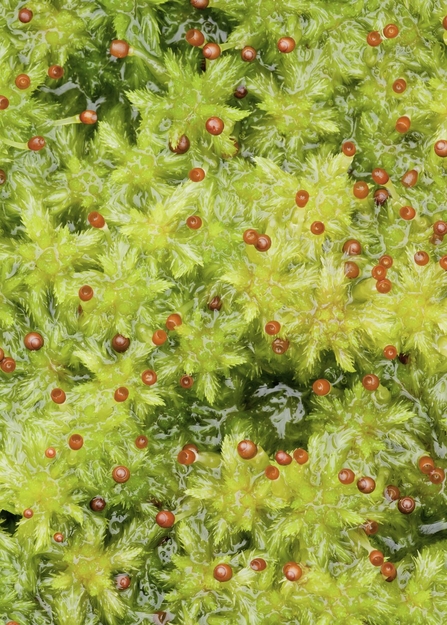
Sphagum moss by Ross Hoddinott/2020VISION
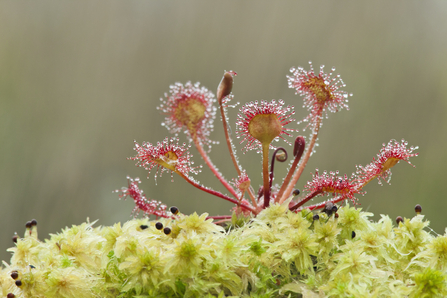
Guy Edwardes/2020VISION
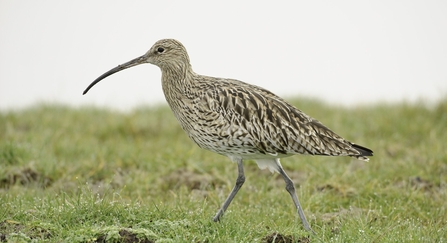
Curlew by Terry Whittaker/2020VISION
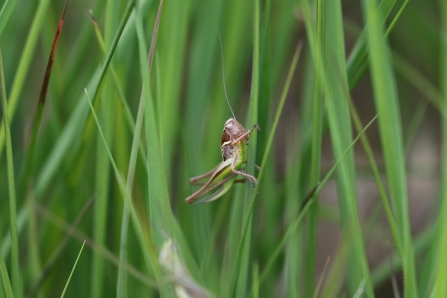
Bog bush cricket at Little Woolden Moss. Photo Credit: Andy Hankinson
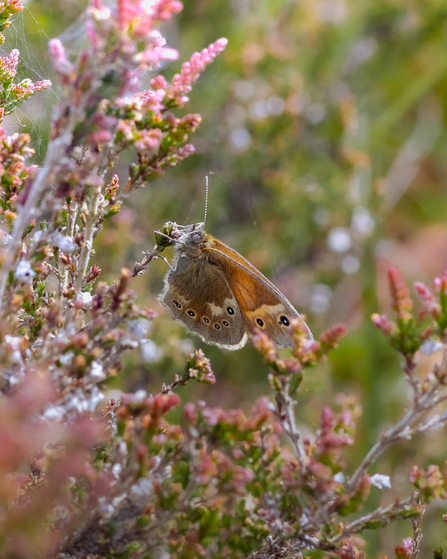
Large heath butterfly on Winmarleigh Moss - Credit: A.J.Critch Wildlife
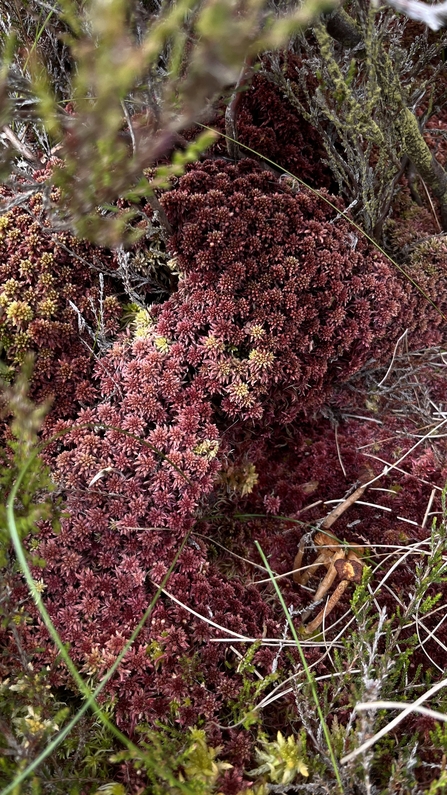
Sphagnum capillifolium on Winmarleigh Moss - Credit: Lancashire Wildlife Trust
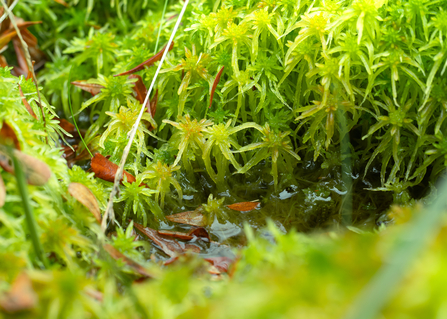
Vibrant green sphagnum moss in a small bog pool at Winmarleigh Moss.

The golden plover is one of our most beautiful upland birds. Image by Andrew Parkinson/2020VISION
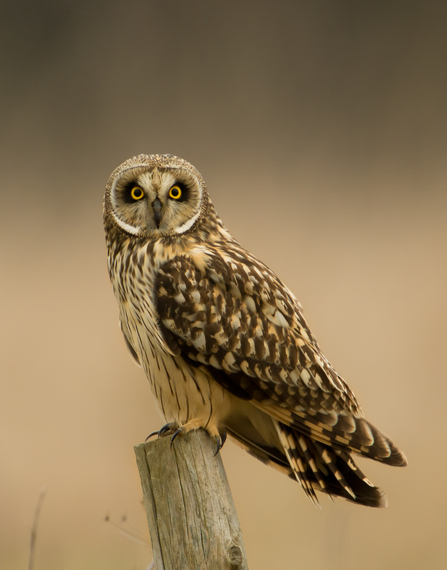
Donald Sutherland
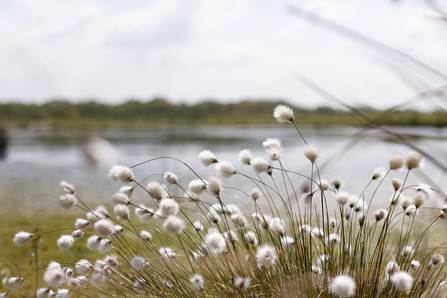
Hare's tail cotton grass at Little Woolden Moss - Credit: A.J.Critch Wildlife
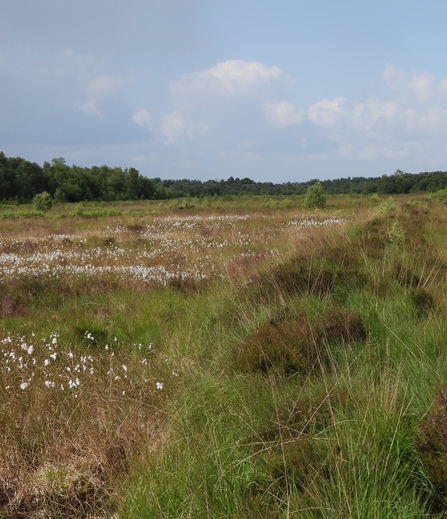
Astley Moss by Dave Steel
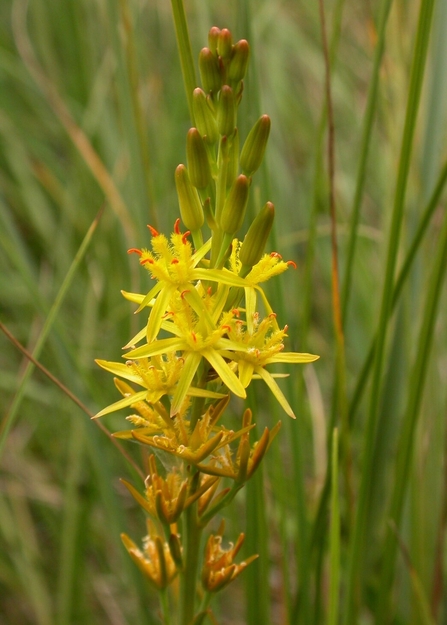
Bog asphodel in flower - Philip Precey
Why are peatlands under threat?
98% of the lowland peatlands across Lancashire, Greater Manchester and North Merseyside have already been destroyed, and the precious 2% that remain face serious threats from all corners:
- Draining: Removing moisture upsets the delicate peatland ecosystem and can very quickly turn it back into grassland or woodland. The peatland flora and fauna, adapted for the previous environment, then struggles to survive.
- Agriculture: Fertilisers add nutrients to the low nutrient soil. These are then very difficult if not impossible to remove, permanently decreasing the area of peatland habitat.
- Development: As lowland habitats, there is a lot of pressure for lowland peatlands to be taken over by housing and infrastructure.
- Misinformation: Historically, people placed little value on peatland habitats, seeing them as unproductive wastelands, and this preconception has endured.
98% of the lowland peatlands across Lancashire, Greater Manchester and North Merseyside have already been destroyed

Little Woolden Moss during peat extraction - Credit Matthew Roberts (left) Little Woolden Moss during peat restoration - Credit A.J.Critch Wildlife (right)
How we're saving peatlands
Restoring and protecting our precious peatlands is crucial not just for wildlife, but for us. They are nature reserves, carbon-stores, flood barriers and a wild reminder of a time before man-made pressures took hold. Once a peatland has degraded past a certain point it cannot be restored, and this precious wild place will be lost forever.
Our reserve staff, conservation team, volunteers and project leaders are working hard to re-wet the peatland landscape, building dams and bunds to raise the water levels and begin the restoration process.
We're working with landowners to improve the condition of the peatlands they own, and we campaign for the protection of key peatland sites.
We purchase key peatland sites to protect them from destruction, restoring them and then maintaining them through continuous monitoring. We're dedicated to preserving these precious habitats for future generations of both people and wildlife.

The large heath butterfly is one of the species we're reintroducing in the Great Manchester Wetlands. Photo: Steve Rawlins - Chester Zoo
Large heath butterfly reintroduction
The large heath butterfly (also known as the Manchester argus) has been locally extinct in it's home city for 150 years. But we're bringing it back to the peatlands of Greater Manchester.

Irrigation channels will re-wet the peat helping to protect soil carbon - credit Lancashire Wildlife Trust
Wetter farming trials
Can you re-wet a drained agricultural peatland, reduce carbon emissions and keep the land financially viable?

Jubilee Tower on Darwen Moor - Credit: A.J.Critch Wildlife
The Lancashire Peat Partnership
The Lancashire Peat Partnership brings together organisations working to protect and restore our precious peatlands.

Mark Hamblin/2020VISION
Peat action pack
We can all take action to help our precious peatlands. Find out what you can do to help.
Take a closer look at our peatland sites
Together we can protect our peatlands for wildlife, for people; for everyone.


How you can help
Here are just a few ways you can help our peatlands recover...


The Bog Blog
Grab a brew, put your feet up and learn something new!

Down - and fluff - on the farm – innovation in practice
Do you associate your Wildlife Trust with innovation and pushing the boundaries of science? Well, the answer is a resounding “Yes!”

Growing Recovery
Growing Recovery is an exciting collaboration between Lancashire Peat Partnership, and Lancashire Wildlife Trust's nature and…

The realities of restoration
Alex Hubberstey, Lancashire Peat Partnership manager, explains how rewetting sits alongside vegetation management in successful peatland…

"They've no idea what's happening, it's a horror show"
Alan Wright talks about why he's so angry and passionate about the current emergency situation happing on our upland peatlands.

Wildlife quiz - precious peatlands
How much do you know about our region's peatlands? Test your knowledge of these superhero habitats with our latest wildlife quiz.…

30 Days Wild on a peatland paradise
Legendary peatlands birder Dave Steel took on our 30 Days Wild Challenge again, on the mosses that he calls home. Throughout June Dave…


